
Introduction

In today’s digital-first world, businesses no longer rely only on traditional marketing methods like billboards, TV commercials, or print ads. Instead, they are investing heavily in digital platforms where their audiences spend the most time. This shift has created a massive demand for professionals skilled in digital marketing.
A digital marketing course is the gateway to learning these high-demand skills and building a rewarding career in one of the fastest-growing industries. Whether you are a student looking for a career path, a working professional aiming to upskill, or an entrepreneur wanting to grow your business online, digital marketing can open doors to endless opportunities.
This guide will walk you through everything you need to know before you enroll in a digital marketing course. From what the course covers, career opportunities, jobs, salaries, course duration, fees, and top institutes, to practical tips on choosing the right program — this is your complete roadmap.
By the end of this blog, you will have a clear idea of whether a digital marketing course is right for you and how to make the best choice for your future.
1. What Is a Digital Marketing Course?

A digital marketing course is a structured program designed to teach individuals how to promote products, services, or brands using online platforms. Unlike traditional marketing, which is often limited to print, TV, or outdoor advertising, digital marketing focuses on measurable, data-driven strategies that reach audiences through search engines, social media, email, and other digital channels.
Purpose of a Digital Marketing Course
The main purpose of enrolling in a digital marketing course is to gain both theoretical knowledge and practical skills. You will not only learn the concepts but also work on real-world projects such as running Google Ads campaigns, optimizing websites for SEO, managing social media accounts, and analyzing campaign performance.
How It Differs from Self-Learning
While plenty of free resources and tutorials are available online, a structured course offers:
- A step-by-step learning path instead of scattered information.
- Guidance from industry experts who have practical experience.
- Hands-on training with tools and live projects.
- Certifications that add credibility to your resume.
Credentials You Can Earn
Depending on the type of program, you may receive:
- Certification Courses – Short-term courses that focus on specific skills like SEO, Google Ads, or Social Media Marketing.
- Diplomas – More detailed programs, often lasting 6 months to 1 year, covering all aspects of digital marketing.
- Degrees or Post-Graduate Programs – Offered by universities or institutes, focusing on in-depth learning and research, often lasting 1–2 years.
A good digital marketing course bridges the gap between academic knowledge and industry requirements, ensuring that you are job-ready by the time you finish.
2. Why Enroll in a Digital Marketing Course

Digital marketing is no longer an optional skill — it has become a necessity. From small startups to global corporations, every business is investing in digital channels to reach, engage, and convert customers. This rapid transformation has created an unprecedented demand for skilled digital marketers. A well-structured digital marketing course equips you with the knowledge and tools needed to take advantage of this growing opportunity.
2.1 Career Benefits and Industry Demand
One of the primary reasons to pursue a digital marketing course is the career potential. According to multiple industry reports, digital marketing jobs are among the fastest-growing in today’s economy. Companies are hiring professionals who can manage SEO, run paid ads, analyze consumer behavior, and build strong online brand presence.
With businesses competing for online visibility, the demand for skilled digital marketers continues to rise. Completing a digital marketing course makes you more employable and helps you stand out in a competitive job market.
2.2 Practical Outcomes and Real-World Application
Unlike many academic programs that are heavy on theory, digital marketing courses emphasize practical learning. You will work on:
- Running real-time Google Ads campaigns.
- Creating social media marketing strategies.
- Optimizing websites for search engine visibility.
- Analyzing campaign performance using Google Analytics.
By the time you finish, you won’t just know the concepts — you will have hands-on experience that employers value.
2.3 Flexibility of Career Paths
Another strong reason to enroll in a digital marketing course is the career flexibility it offers. Unlike many professions that tie you to a single role or industry, digital marketing opens up multiple paths:
- Freelancing – Work with clients from around the world, on your own terms.
- Remote Jobs – Many companies hire digital marketers to work from home, giving you location independence.
- Agency Careers – Join established marketing agencies and work on diverse projects across industries.
- Corporate Roles – Handle digital marketing for one brand, focusing on long-term growth.
- Entrepreneurship – Use your skills to grow your own business or launch a digital marketing agency.
2.4 Global Opportunities
Digital marketing is not bound by geography. The skills you acquire are transferable across industries and countries. Whether you are in India, the US, or Europe, the fundamentals of SEO, paid advertising, social media, and analytics remain the same. This gives you the freedom to apply for international roles or work with global clients.
2.5 Continuous Growth and Learning
Digital marketing is a dynamic field where trends and tools evolve quickly. Algorithms change, consumer behavior shifts, and new platforms emerge. By starting with a digital marketing course, you establish a strong foundation that allows you to keep learning and adapting. This makes your career future-proof and ensures long-term growth.
2.6 High Earning Potential
The combination of high demand and limited supply of skilled professionals results in attractive salaries for digital marketers. Whether you start as an SEO executive or a social media manager, there is plenty of scope to grow into higher-paying positions such as digital marketing manager, growth strategist, or head of marketing. Many professionals even transition into consulting or launch their own agencies after gaining experience.
3. Skills You Will Learn in a Digital Marketing Course

A digital marketing course is designed to equip you with a wide range of skills that cover every aspect of online marketing. These skills not only make you job-ready but also prepare you to manage real-world campaigns with confidence. The curriculum generally blends theory with practical training, ensuring that you understand both the “why” and the “how” behind every strategy.
Here are the most important skills you will learn in a digital marketing course:
3.1 Search Engine Optimization (SEO)
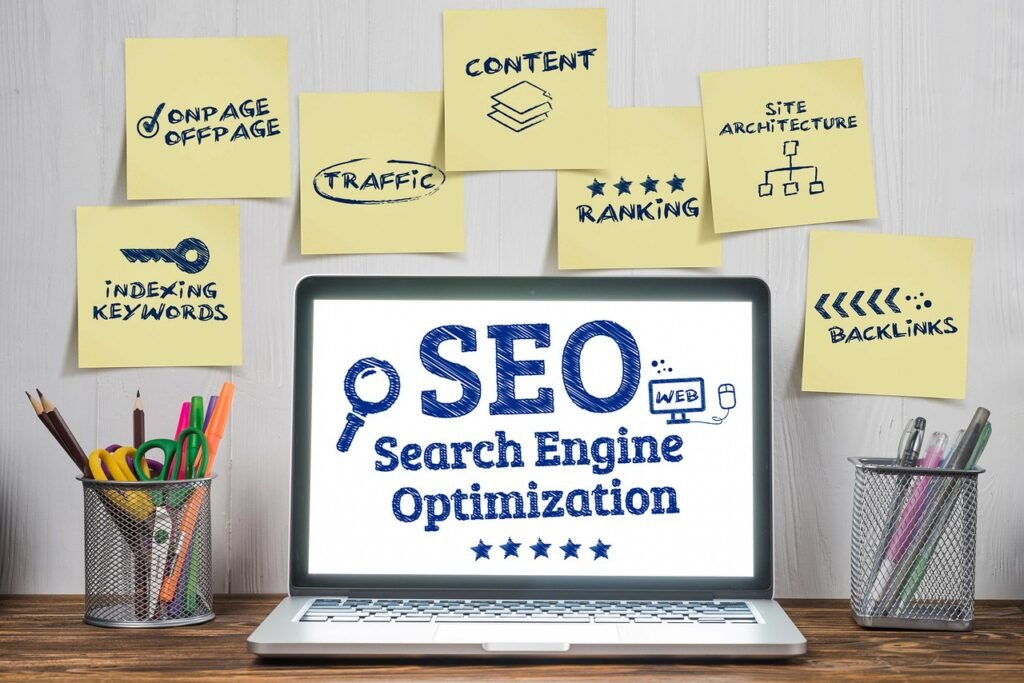
SEO is one of the core pillars of digital marketing. You will learn how to optimize websites to rank higher on search engines like Google. A strong SEO strategy drives free, organic traffic to a website and improves brand visibility.
Key topics covered in SEO training include:
- On-page optimization (meta tags, keyword research, content structure)
- Off-page optimization (backlinks, guest posting, outreach)
- Technical SEO (site speed, mobile optimization, crawling and indexing)
- Local SEO (Google Business Profile, local citations, reviews)
- SEO tools such as Ahrefs, SEMrush, Ubersuggest, and Google Search Console
By mastering SEO, you can help businesses rank higher in search results and attract more qualified leads.
3.2 Search Engine Marketing (SEM) and Paid Ads
While SEO focuses on organic traffic, SEM deals with paid advertising. In a digital marketing course, you will learn how to run effective pay-per-click (PPC) campaigns on platforms like Google Ads and Bing Ads.
Key areas include:
- Keyword bidding and targeting strategies
- Writing ad copy that converts
- Display advertising and remarketing campaigns
- Budget optimization and ROI tracking
- Analyzing campaign performance with Google Ads dashboard
SEM is a must-have skill because businesses spend heavily on paid ads for immediate results.
3.3 Social Media Marketing (SMM)
Social media platforms such as Facebook, Instagram, LinkedIn, Twitter, and YouTube have become vital channels for brand awareness and customer engagement. A digital marketing course will teach you how to create and execute social media campaigns tailored to different audiences.
You will learn:
- Social media strategy development
- Content planning and calendar creation
- Running paid campaigns on Facebook, Instagram, and LinkedIn
- Social media analytics and tracking engagement metrics
- Tools like Meta Business Suite, Buffer, and Hootsuite
Social media marketing is essential for reaching wider audiences, building communities, and driving sales.
3.4 Content Marketing and Copywriting
Content is the backbone of digital marketing. You will understand how to create valuable content that attracts, educates, and converts customers. Copywriting, on the other hand, focuses on persuasive writing to drive action.
Training in this module covers:
- Blog writing and long-form content creation
- Crafting compelling ad copy and landing pages
- Video scripts, infographics, and visual storytelling
- Developing content marketing funnels
- Tools like Grammarly, Jasper AI, and SurferSEO
Strong content skills allow you to build trust with audiences and position brands as industry leaders.
3.5 Email Marketing and Marketing Automation
Despite being one of the oldest digital marketing channels, email marketing remains highly effective. In a digital marketing course, you will learn how to design and execute email campaigns that drive engagement and sales.
You will study:
- Building subscriber lists ethically
- Crafting subject lines and email copy that increases open rates
- Segmenting audiences for personalized campaigns
- Setting up automated workflows using tools like Mailchimp and HubSpot
- Measuring performance through open rates, click-through rates, and conversions
Email marketing ensures long-term customer retention and relationship building.
3.6 Analytics and Data Tracking
Data is at the heart of digital marketing. You will learn how to measure performance and make data-driven decisions.
Key areas of training include:
- Google Analytics (GA4) setup and reporting
- Conversion tracking using Google Tag Manager
- Understanding customer behavior with heatmaps and funnels
- A/B testing campaigns for better results
- Generating insights for future optimization
Analytics training ensures that you can not only run campaigns but also measure their success accurately.
3.7 Influencer and Affiliate Marketing
Modern digital marketing often relies on collaborations. You will learn how to work with influencers and affiliates to expand brand reach.
Training covers:
- Identifying and approaching the right influencers
- Structuring affiliate programs
- Tracking performance with affiliate links
- Negotiating partnerships and ROI evaluation
These strategies are especially effective in industries like fashion, lifestyle, and technology.
3.8 E-commerce and Dropshipping Marketing
With the rise of online shopping, e-commerce marketing has become a crucial skill. Courses often include:
- Optimizing product pages for SEO
- Running e-commerce ad campaigns
- Using Shopify, WooCommerce, or Magento platforms
- Conversion optimization for checkout pages
- Customer retention strategies like remarketing and loyalty programs
E-commerce marketing skills are in high demand, especially among D2C and retail brands.
3.9 Video Marketing and YouTube Growth
Video is now one of the most consumed forms of content online. You will learn:
- Creating engaging video campaigns
- YouTube SEO and channel growth
- Running YouTube ads
- Video storytelling techniques
- Tools like Canva, Adobe Premiere, and TubeBuddy
This skill is valuable because video marketing boosts brand awareness and conversion rates.
3.10 Growth Hacking and CRO (Conversion Rate Optimization)
Growth hacking focuses on experimenting with new tactics to achieve rapid results. CRO ensures that websites and landing pages convert visitors into customers.
You will learn:
- A/B testing landing pages
- Optimizing CTAs (calls-to-action)
- Funnel building and lead nurturing strategies
- Analyzing user journeys to reduce drop-offs
Growth hacking makes you a results-oriented marketer who focuses on measurable outcomes.
3.11 AI Tools for Digital Marketing
With artificial intelligence transforming industries, most modern courses now include training on AI-powered tools.
Key tools include:
- ChatGPT for copywriting and customer engagement
- Jasper AI for content generation
- Copy.ai for social media posts
- Canva AI for design automation
AI tools save time and enhance creativity, making digital marketers more efficient.
4. Types of Digital Marketing Courses

Not all digital marketing courses are the same. The right program for you depends on your goals, budget, and career stage. Some courses are designed for beginners who want to understand the basics, while others are advanced programs that prepare professionals for leadership roles in digital marketing. Knowing the different types of digital marketing courses helps you make an informed decision before enrolling.
4.1 Online vs Offline Courses
- Online Digital Marketing Courses
These are the most popular option today. You can learn from anywhere, at your own pace, and often at a lower cost. Online programs usually include recorded lectures, live classes, assignments, and community support. They are ideal for working professionals, students, and freelancers. - Offline Digital Marketing Courses
Conducted in classrooms or training centers, offline courses offer face-to-face learning with instructors. This method is beneficial for students who prefer personal interaction and hands-on workshops. However, offline courses are limited by location and often cost more than online ones.
4.2 Self-Paced vs Instructor-Led
- Self-Paced Programs
These allow you to learn at your own speed. You get access to pre-recorded video modules, notes, and assignments. While flexible, self-paced courses require self-discipline and motivation. - Instructor-Led Programs
These include live classes conducted by industry experts. You can ask questions in real-time, interact with peers, and receive feedback on assignments. Instructor-led courses are usually more structured and provide better guidance compared to self-paced programs.
4.3 Free vs Paid Digital Marketing Courses
- Free Digital Marketing Courses
Offered by platforms like Google Digital Garage, HubSpot, and Coursera, these cover the basics of digital marketing. They are great for beginners who want to get an overview of the field. However, they may lack advanced training, real-world projects, and placement assistance. - Paid Digital Marketing Courses
Paid programs go deeper into topics and usually include practical projects, case studies, certifications, and placement support. They are best suited for those who want to build a professional career in digital marketing. The cost varies depending on the institute, duration, and features offered.
4.4 Short-Term vs Advanced Certification Programs
- Short-Term Courses
These last from a few weeks to a few months and focus on specific areas like SEO, Google Ads, or Social Media Marketing. They are ideal if you want to specialize in one skill or add expertise to your existing profile. - Advanced Certification Programs
These comprehensive courses cover all major areas of digital marketing, often lasting 6 to 12 months. They include live projects, internships, and industry-recognized certifications. Advanced programs are best for those aiming for full-time digital marketing careers.
4.5 Diploma, Degree, and Post-Graduate Programs
- Diploma in Digital Marketing
Usually 6 months to 1 year long, these programs provide in-depth training in all major modules. They are suitable for students who want a recognized credential without committing to a full degree. - Bachelor’s Degree in Digital Marketing
Offered by some universities, this degree focuses on both the theoretical and practical aspects of digital marketing. It usually takes 3 to 4 years to complete. - Post-Graduate (PG) Programs
These are advanced-level courses designed for graduates and working professionals. Institutes like IIMs and top business schools offer PG programs in digital marketing and business strategy. They focus on leadership, analytics, and advanced digital marketing techniques.
A clear understanding of these types of digital marketing courses ensures that you choose a program that aligns with your career goals and budget. If you’re a beginner, a free or short-term certification might be enough to get started. However, if you’re serious about building a career, a diploma, advanced certification, or PG program offers far better value.
5. How to Choose the Right Digital Marketing Course

With so many institutes and online platforms offering digital marketing courses, choosing the right one can feel overwhelming. The wrong choice may waste your time, money, and effort, while the right program can accelerate your career growth. To make an informed decision, you need to evaluate a digital marketing course based on key factors such as curriculum, certification, placement support, and trainer expertise.
Here’s a detailed checklist to guide you before enrolling:
5.1 Course Syllabus and Depth of Content
The syllabus of a digital marketing course is the most critical factor. A good course should cover both fundamental and advanced topics, including SEO, PPC, social media marketing, email marketing, analytics, and e-commerce strategies. Ensure the program balances theory with practical assignments.
Ask yourself:
- Does the syllabus cover all major digital marketing modules?
- Are there case studies and industry examples included?
- Does the course stay updated with the latest trends and algorithm changes?
5.2 Practical Projects and Assignments
Digital marketing is a skill-based profession. Theoretical knowledge alone is not enough; you need hands-on practice. Choose a course that includes real-world projects, such as running Google Ads campaigns, creating SEO-optimized blogs, or managing live social media accounts.
Practical learning ensures you graduate with a portfolio of work, which is highly valuable during job interviews.
5.3 Trainer and Mentor Expertise
The quality of trainers can make or break your learning experience. Check the background of instructors — do they have real-world industry experience, or are they purely academic? Trainers who have worked with brands and handled campaigns bring more value by sharing insider tips and practical strategies.
5.4 Certification Validity and Recognition
Certifications add credibility to your resume. While most courses offer their own certificates, it’s best to choose programs that also prepare you for industry-recognized certifications such as:
- Google Ads Certification
- HubSpot Inbound Marketing Certification
- Meta (Facebook) Blueprint Certification
- SEMrush SEO Toolkit Certification
These certifications are widely accepted by employers and boost your professional profile.
5.5 Placement Assistance and Internships
For students and freshers, placement support is a major consideration. A good institute should offer:
- Resume-building workshops
- Mock interview sessions
- Internship opportunities with partner companies
- Placement assistance for job openings in agencies and corporates
Check the placement record of the institute and read alumni reviews before enrolling.
5.6 Industry Tools and Software Training
The digital marketing industry relies heavily on tools for SEO, analytics, automation, and content creation. A quality digital marketing course should provide hands-on training with tools like:
- Google Analytics and Google Tag Manager
- SEMrush, Ahrefs, or Ubersuggest for SEO
- Canva and Adobe tools for design
- Mailchimp and HubSpot for email marketing
- Hootsuite and Buffer for social media management
Learning these tools gives you a competitive edge in the job market.
5.7 Flexibility and Learning Format
Your choice also depends on your personal schedule. If you are a student or working professional, an online digital marketing course with flexible timings may be ideal. On the other hand, if you prefer in-person learning and networking, offline training in a reputed institute could be a better option.
5.8 Alumni Network and Reviews
Alumni feedback is one of the most reliable ways to judge a course. Look for reviews on Google, LinkedIn, or Quora, and check where past students are working. A strong alumni network also helps in networking and job referrals.
5.9 Return on Investment (ROI)
Digital marketing courses vary greatly in terms of fees, ranging from free online certifications to expensive post-graduate programs. Before enrolling, compare the fees, duration, and placement opportunities to calculate whether the course offers good ROI.
If the program promises practical learning, certification, and strong placement support, a higher fee may still be justified.
In short, the best digital marketing course is the one that balances comprehensive learning, hands-on projects, credible certification, and career support. Take time to research and compare before making your decision.
6. Top Tools and Technologies You’ll Learn in a Digital Marketing Course

A high-quality digital marketing course doesn’t just teach theory — it equips you with practical knowledge of industry-standard tools and technologies. Mastering these tools is essential because they enable you to implement strategies effectively, track performance, and achieve measurable results.
Here’s a detailed breakdown of the top tools and technologies you’ll learn during a digital marketing course:
6.1 SEO Tools
Search Engine Optimization (SEO) is critical for driving organic traffic to websites. To succeed, you need to work with powerful SEO tools:
- Ahrefs – Used for competitor analysis, keyword research, and backlink tracking.
- SEMrush – Provides insights into search rankings, traffic sources, and competitor strategies.
- Ubersuggest – Ideal for keyword ideas, site audits, and content suggestions.
- Google Search Console – Helps monitor website indexing, search performance, and technical issues.
Proficiency in these tools allows you to plan effective SEO campaigns and improve website visibility.
6.2 Paid Advertising and SEM Tools
Paid advertising is a cornerstone of digital marketing. Courses train you on platforms and tools such as:
- Google Ads – For search, display, shopping, and video campaigns.
- Microsoft Ads – An alternative platform for paid search advertising.
- Facebook Ads Manager – For creating and optimizing campaigns across Facebook and Instagram.
You will learn to manage ad budgets, target the right audience, and measure ROI using these platforms.
6.3 Social Media Marketing Tools
Managing social media efficiently requires dedicated tools:
- Meta Business Suite – Schedule posts, analyze insights, and manage multiple accounts.
- Hootsuite / Buffer – Social media management tools for planning, scheduling, and monitoring campaigns.
- Canva – Design tool for creating engaging graphics, posts, and videos.
These tools help streamline content creation, posting, and performance tracking.
6.4 Email Marketing and Automation Tools
Email marketing remains one of the most effective channels for engagement. Courses cover tools like:
- Mailchimp – For creating campaigns, automated workflows, and audience segmentation.
- HubSpot – Marketing automation platform for email, lead management, and analytics.
- Sendinblue – Email marketing and transactional email management.
Learning these tools enables you to run targeted campaigns that nurture leads and drive conversions.
6.5 Analytics and Data Tracking Tools
Data-driven decision-making is central to digital marketing success. You will learn tools such as:
- Google Analytics (GA4) – Track website traffic, user behavior, and conversions.
- Google Tag Manager – Implement tracking codes efficiently without touching the website code.
- Hotjar – Understand user behavior through heatmaps, session recordings, and surveys.
Proficiency in analytics tools helps you measure the effectiveness of campaigns and optimize strategies for better results.
6.6 AI-Powered Marketing Tools
Artificial Intelligence is revolutionizing digital marketing, and modern courses include AI tool training:
- ChatGPT – Generate ad copy, social media posts, and content ideas.
- Jasper AI – AI writing assistant for creating blogs, emails, and marketing copy.
- Copy.ai – Tool for quick copywriting and social media content creation.
- Canva AI – Design automation for graphics, videos, and presentations.
Learning AI tools improves efficiency, creativity, and scalability in digital marketing campaigns.
6.7 E-commerce and Conversion Tools
For e-commerce and online businesses, digital marketing courses introduce tools such as:
- Shopify / WooCommerce – Platforms for managing online stores.
- Google Optimize – Test and improve website conversions through A/B testing.
- Optimizely – CRO platform to enhance website performance and sales.
These tools equip you with the skills needed to grow e-commerce businesses and maximize ROI.
By learning these digital marketing tools, you gain practical experience that makes you job-ready and highly valuable to employers. Mastery of these technologies ensures that you can not only plan campaigns but also execute, track, and optimize them effectively.
7. Jobs, Salaries & Career Progression in Digital Marketing

One of the main reasons professionals and students enroll in a digital marketing course is the lucrative career opportunities it offers. Digital marketing is a versatile field, providing diverse job roles, high-paying positions, and rapid career growth. In this section, we’ll explore the various career options, salary ranges, and progression paths for digital marketers.
7.1 Common Job Roles in Digital Marketing
After completing a digital marketing course, you can pursue multiple job roles depending on your interests and specialization:
- SEO Specialist
Focuses on improving website visibility in search engines. Responsibilities include keyword research, on-page and off-page optimization, and technical SEO. - PPC / SEM Specialist
Manages paid advertising campaigns on platforms like Google Ads and Bing Ads. Optimizes ad spend, analyzes ROI, and designs effective campaigns. - Social Media Manager
Plans and executes social media strategies across platforms such as Facebook, Instagram, LinkedIn, and Twitter. Handles content creation, engagement, and analytics. - Content Marketing Specialist / Copywriter
Creates valuable, engaging content for blogs, websites, emails, and social media. Ensures content aligns with brand strategy and drives conversions. - Email Marketing Specialist
Designs and implements email campaigns, automates workflows, and segments audiences for personalized communication. - Digital Marketing Analyst
Tracks campaign performance, interprets data, and provides actionable insights for marketing optimization. - Growth Hacker / CRO Specialist
Focuses on experimenting with strategies to boost growth and conversion rates, using data and analytics for measurable results. - Digital Marketing Manager
Oversees all digital marketing activities, manages teams, and ensures campaigns meet business objectives. - Freelancer / Consultant
Works independently with clients on projects such as SEO, social media campaigns, or paid advertising. Freelancing provides flexibility and higher earning potential. - Agency Founder / Entrepreneur
Some professionals use their expertise to start their own digital marketing agency or consulting business.
7.2 Salary Expectations in Digital Marketing
Salaries in digital marketing vary depending on experience, role, location, and skills. Here’s an overview of typical salary ranges in India:
| Role | Entry-Level Salary | Mid-Level Salary | Senior-Level Salary |
|---|---|---|---|
| SEO Specialist | ₹2.5–4 LPA | ₹4–6 LPA | ₹6–10 LPA |
| PPC/SEM Specialist | ₹3–5 LPA | ₹5–8 LPA | ₹8–12 LPA |
| Social Media Manager | ₹3–5 LPA | ₹5–8 LPA | ₹8–12 LPA |
| Content Marketing Specialist | ₹2.5–4 LPA | ₹4–7 LPA | ₹7–12 LPA |
| Digital Marketing Manager | ₹6–10 LPA | ₹10–15 LPA | ₹15–25 LPA |
Freelancers and consultants often charge per project or retainers, which can significantly increase earning potential. Experienced professionals and niche specialists in SEO, SEM, or analytics can earn above industry averages.
7.3 Career Progression in Digital Marketing
Digital marketing offers clear growth paths for professionals. A typical progression might look like this:
- Entry-Level: SEO Executive, Social Media Executive, Content Writer
- Mid-Level: SEO Analyst, Social Media Manager, Digital Marketing Analyst
- Senior-Level: Digital Marketing Manager, Head of Marketing, Growth Strategist
- Leadership/Entrepreneurship: Director of Digital Marketing, Chief Marketing Officer (CMO), Agency Owner
Skills like analytics, paid advertising, content strategy, and automation accelerate career growth. Certifications from reputed institutes also enhance credibility and job prospects.
7.4 Freelance Opportunities
Freelancing is a popular option for digital marketers. With a digital marketing course certificate, you can:
- Offer SEO, social media, or PPC services to multiple clients.
- Work remotely and choose projects that match your expertise.
- Charge competitive rates based on experience and results delivered.
Freelancing also allows flexibility to pursue multiple income streams and gradually scale your own agency.
7.5 Industry Demand and Global Opportunities
Digital marketing skills are in demand globally. Whether you are in India, the US, Europe, or Southeast Asia, companies need professionals who can manage digital campaigns, optimize ROI, and analyze consumer behavior. This makes digital marketing a highly transferable and future-proof career choice.
By completing a digital marketing course, you unlock access to high-paying jobs, diverse roles, and the ability to work globally or freelance independently. Strong skills in SEO, social media, paid ads, analytics, and content marketing make you a valuable asset to any organization.
8. Course Duration, Fees & ROI of a Digital Marketing Course

Before enrolling in a digital marketing course, understanding the duration, fees, and expected return on investment (ROI) is crucial. This helps you choose a program that fits your schedule, budget, and career goals.
8.1 Typical Course Duration
The duration of digital marketing courses varies depending on the type and depth of the program:
- Short-Term Certification Courses
These usually last 4 to 12 weeks and focus on specific skills such as SEO, social media marketing, or Google Ads. They are ideal for beginners or professionals looking to specialize. - Diploma Programs
Comprehensive digital marketing diplomas typically run 6 to 12 months. They cover all core modules including SEO, PPC, content marketing, email marketing, analytics, and more. - Post-Graduate Programs
Advanced PG programs in digital marketing last 12 to 24 months, often including live projects, internships, and mentorship. They are designed for graduates or working professionals aiming for leadership roles. - Self-Paced Courses
Self-paced courses allow you to complete the program according to your own schedule, which can range from 3 months to over a year, depending on the learner’s pace.
8.2 Course Fees
Digital marketing course fees vary widely based on the institute, program level, and course mode:
- Free Courses
Platforms like Google Digital Garage, HubSpot, and Coursera offer free certification programs. These are ideal for beginners to gain basic knowledge but may not provide placement assistance or advanced projects. - Short-Term Paid Courses
Fees generally range from ₹10,000 to ₹50,000 in India. These programs are focused, cost-effective, and usually offer practical training in specific modules. - Comprehensive Diploma Courses
Fees for diploma programs range from ₹50,000 to ₹2,50,000, depending on the institute, duration, and certification. They include hands-on projects, live campaigns, and career support. - Post-Graduate Programs
Fees for PG programs, especially those offered by IIMs or reputed business schools, can range from ₹2,00,000 to ₹6,00,000. These programs offer advanced learning, mentorship, and strong placement opportunities.
8.3 Return on Investment (ROI)
The ROI of a digital marketing course is determined by how quickly you can use your skills to secure a job, earn a higher salary, or start a profitable freelancing career. Consider the following:
- Salary Potential
Entry-level digital marketing roles start around ₹2.5–4 LPA, while mid-level professionals earn ₹6–12 LPA. Senior-level roles or managerial positions can pay upwards of ₹15–25 LPA. - Freelancing and Entrepreneurship
Freelancers can earn anywhere from ₹15,000 to ₹1,00,000 per month based on experience and project complexity. Starting a small digital marketing agency can yield even higher returns. - Skills Application
Investing in a course that teaches practical skills and provides industry-recognized certifications ensures that you can immediately apply your knowledge in real campaigns, enhancing employability. - Time vs Learning Outcome
Short-term courses offer fast skill acquisition but may not cover advanced modules. Diploma and PG programs require more time but provide deeper knowledge, hands-on projects, and better career opportunities.
8.4 Cost-Benefit Considerations
When evaluating fees and ROI:
- Compare multiple institutes for their syllabus, project opportunities, and placement support.
- Consider long-term career benefits rather than just the upfront cost.
- Factor in additional expenses like tools, software, or certification exams.
Investing in a high-quality digital marketing course can be highly rewarding if it aligns with your career goals and equips you with practical, industry-relevant skills.
9. Top Institutes to Consider for a Digital Marketing Course

Choosing the right institute is one of the most important decisions when enrolling in a digital marketing course. A reputable institute not only provides high-quality training but also offers certifications, live projects, and placement assistance that can significantly boost your career prospects. Here’s a detailed overview of some of the top institutes you should consider:
9.1 DGMark Institute
DGMark Institute is a well-known training center that offers comprehensive digital marketing programs for beginners and professionals.
- Program Overview: Offers courses covering SEO, social media marketing, PPC, content marketing, email marketing, and analytics.
- Duration: 3–6 months depending on the course type.
- Fees: Approximately ₹50,000–₹1,50,000.
- Key Features: Hands-on projects, mentorship by industry experts, placement assistance, and exposure to live campaigns.
- Ideal For: Beginners and working professionals looking for practical, career-oriented training.
9.2 IIDE (Indian Institute of Digital Education)
IIDE is one of India’s leading digital marketing institutes, known for its innovative teaching methods and industry partnerships.
- Program Overview: Comprehensive programs including SEO, SEM, social media marketing, content marketing, email marketing, video marketing, and analytics.
- Duration: 3–12 months (online and offline programs available).
- Fees: ₹1,00,000–₹2,50,000 depending on the course level.
- Key Features: Live sessions, practical projects, certification from IIDE, internship opportunities, and strong placement support.
- Ideal For: Students, professionals, and entrepreneurs seeking a structured and recognized digital marketing program.
9.3 Boston (Institute / University Programs)
Boston-based institutes and universities offer international-standard digital marketing programs. Some programs focus on advanced analytics, digital strategy, and global marketing practices.
- Program Overview: Covers SEO, SEM, social media marketing, content strategy, analytics, and AI-driven marketing.
- Duration: 6–12 months for certification programs; 1–2 years for advanced diplomas or PG programs.
- Fees: ₹2,50,000–₹5,00,000 (varies depending on institute and program).
- Key Features: Exposure to international case studies, practical projects, global certifications, and networking opportunities.
- Ideal For: Professionals seeking international exposure or advanced specialization in digital marketing.
9.4 IIM (Indian Institutes of Management)
IIMs and other top business schools now offer executive programs and post-graduate courses in digital marketing for working professionals and graduates.
- Program Overview: Focuses on advanced digital marketing, analytics, strategy, leadership, and business applications.
- Duration: 12–24 months (usually part-time for working professionals).
- Fees: ₹2,00,000–₹6,00,000 depending on the IIM and course type.
- Key Features: Industry-recognized certification, mentorship from top faculty, live projects, and placement support.
- Ideal For: Graduates, managers, and professionals seeking advanced skills and leadership roles in digital marketing.
9.5 Digital Scholar
Digital Scholar is known for its practical, hands-on approach and mentorship-driven programs.
- Program Overview: Covers SEO, social media marketing, email marketing, content marketing, paid ads, and analytics.
- Duration: 3–6 months for certification courses.
- Fees: ₹1,00,000–₹2,00,000.
- Key Features: Mentorship by industry experts, live projects, placement assistance, and portfolio development.
- Ideal For: Beginners and working professionals seeking intensive, career-focused training.
9.6 How to Compare Institutes
When choosing a digital marketing institute, consider the following factors:
- Syllabus Coverage: Ensure the course includes all essential modules like SEO, PPC, social media, content marketing, and analytics.
- Hands-On Projects: Check whether the program offers live projects to build practical experience.
- Certification Recognition: Industry-recognized certifications add credibility to your profile.
- Placement Support: Look for institutes with a strong placement record and internship opportunities.
- Fees and Duration: Compare cost against the value provided in terms of learning, projects, and career support.
Selecting the right institute ensures you gain comprehensive skills, certifications, and opportunities to launch a successful career in digital marketing.
10. How to Compare & Create a Shortlist for a Digital Marketing Course
With so many digital marketing courses available, selecting the right program can be overwhelming. To make a smart decision, it’s important to compare multiple institutes and courses systematically. This ensures that you choose a program that aligns with your career goals, budget, and learning preferences.

Here’s a step-by-step guide to comparing and creating a shortlist of digital marketing courses:
10.1 Create a Comparison Table
A simple comparison table can help you evaluate courses at a glance. Include the following factors:
| Factor | Description |
|---|---|
| Syllabus Coverage | Check if the course includes SEO, PPC, social media marketing, email marketing, content marketing, analytics, and advanced modules. |
| Duration | Compare course lengths – short-term (4–12 weeks), diploma (6–12 months), or PG/advanced (12–24 months). |
| Fees | Evaluate cost against course content, practical exposure, and placement support. |
| Certification | Ensure the course provides industry-recognized certifications or prepares you for them. |
| Projects & Internships | Check if the program includes live projects, case studies, or internships. |
| Trainer Expertise | Review the qualifications and industry experience of trainers. |
| Placement Assistance | Look for placement records, mock interviews, and career support. |
| Reviews & Alumni | Research alumni outcomes and online reviews to gauge course credibility. |
10.2 Research Institutes Thoroughly
Once you identify a few courses, dig deeper:
- Visit the institute’s website to understand the curriculum and features.
- Attend webinars or demo classes if available.
- Connect with alumni on LinkedIn to learn about their experience.
- Check social media pages for updates, success stories, and engagement.
10.3 Ask Key Questions Before Enrolling
Before finalizing a course, ask the following questions:
- Does the course cover the latest digital marketing trends and tools?
- Are there practical assignments and live projects included?
- What is the institute’s placement record and career support system?
- Are industry-recognized certifications included or available?
- What is the level of mentorship and one-on-one guidance?
10.4 Prioritize Your Needs
Not all courses are equal. Decide what matters most to you:
- Hands-On Learning: If you want to gain practical skills quickly.
- Certification Value: If your goal is a recognized credential for jobs or freelancing.
- Placement Support: If you are a student or fresher seeking employment.
- Advanced Specialization: If you are a professional aiming for leadership roles.
10.5 Create Your Shortlist
After evaluating the above factors, create a shortlist of 2–3 courses that best fit your requirements. Compare their fees, duration, syllabus, and placement support to make the final decision.
By following this structured approach, you ensure that you select a digital marketing course that maximizes learning, career growth, and ROI.
11. How to Get the Most Out of Your Digital Marketing Course

Enrolling in a digital marketing course is just the first step toward building a successful career. To truly benefit from the program, you need to actively apply your learning, gain hands-on experience, and leverage networking opportunities. Here’s a detailed guide on how to maximize the value of your course:
11.1 Build a Practical Portfolio
A portfolio demonstrates your skills to potential employers or clients. While completing assignments or projects during your course:
- Save your work on campaigns, SEO audits, content creation, and social media strategies.
- Include metrics and results wherever possible, such as traffic growth, engagement rate, or conversion rate improvements.
- Create a personal website or a PDF portfolio showcasing your work.
A strong portfolio enhances your credibility and helps you stand out during job interviews or client pitches.
11.2 Participate in Live Projects and Internships
Many institutes offer live projects and internship opportunities as part of the curriculum. Take full advantage:
- Apply learned skills in real-world scenarios.
- Collaborate with peers to develop teamwork and problem-solving abilities.
- Gain exposure to client management, campaign execution, and analytics reporting.
Hands-on experience is invaluable in building confidence and practical expertise.
11.3 Network with Peers and Industry Experts
Digital marketing is a relationship-driven field. While studying:
- Join course forums, WhatsApp or Slack groups, and social media communities.
- Attend webinars, workshops, and industry events hosted by your institute.
- Connect with alumni and mentors on LinkedIn.
Networking can open doors to job opportunities, freelance projects, and collaborations.
11.4 Stay Updated with Industry Trends
Digital marketing evolves rapidly. To stay ahead:
- Follow top blogs, YouTube channels, and newsletters on SEO, PPC, social media, and analytics.
- Keep an eye on algorithm updates on Google, Instagram, and YouTube.
- Experiment with new tools and strategies learned in your course.
Continuous learning ensures your skills remain relevant and in demand.
11.5 Apply Knowledge Through Side Projects
Side projects allow you to experiment and build real-world experience:
- Start a blog or YouTube channel to practice content marketing and SEO.
- Run small ad campaigns with a personal budget to understand paid marketing dynamics.
- Offer pro-bono services to local businesses or NGOs to gain practical exposure.
Side projects not only enhance your skills but also add to your portfolio.
11.6 Seek Mentorship and Feedback
Guidance from experienced mentors accelerates learning:
- Request feedback on your assignments, campaigns, and strategies.
- Ask mentors about industry best practices, tools, and career advice.
- Use mentor guidance to refine your skills and make informed career decisions.
11.7 Prepare for Certifications and Exams
Many digital marketing courses prepare you for industry-recognized certifications. Take them seriously:
- Certifications like Google Ads, Google Analytics, HubSpot, and Meta Blueprint add credibility to your profile.
- They demonstrate practical knowledge to employers and clients.
11.8 Focus on Results and ROI
Digital marketing is results-driven. While learning, always focus on outcomes:
- Track performance metrics in campaigns and projects.
- Analyze what worked, what didn’t, and how to improve.
- Develop a habit of reporting results professionally.
This mindset prepares you for real-world job scenarios and positions you as a competent digital marketer.
By following these strategies, you can maximize the benefits of your digital marketing course, gain practical experience, build a strong portfolio, and position yourself for a successful career in digital marketing.
12. Conclusion & Final Tips

Enrolling in a digital marketing course can be a life-changing decision for students, working professionals, and entrepreneurs alike. With businesses increasingly focusing on online platforms, digital marketing skills are in high demand, offering lucrative career opportunities, global exposure, and flexibility.
This guide has covered everything you need to know before you enroll:
- What a digital marketing course is and why it is essential for career growth.
- Key skills you will learn, including SEO, PPC, social media marketing, content marketing, email marketing, analytics, and AI-powered tools.
- Different types of courses, from short-term certifications to advanced PG programs, and how to choose the right one.
- Job roles, salary expectations, career progression, and freelancing opportunities.
- Top institutes like DGMark Institute, IIDE, Boston-based programs, IIMs, and Digital Scholar.
- How to compare courses, create a shortlist, and get the most out of your program through projects, networking, and continuous learning.
Final Tips to Succeed in Digital Marketing
- Focus on Practical Learning
Theory is important, but hands-on experience with campaigns, tools, and projects is what sets successful digital marketers apart. - Build a Strong Portfolio
Document your work from live projects, internships, and side projects. Include results, metrics, and case studies to showcase your expertise. - Stay Updated with Trends
Digital marketing is constantly evolving. Keep learning about new tools, algorithm changes, and industry trends to remain competitive. - Get Certified
Industry-recognized certifications like Google Ads, Google Analytics, HubSpot, and Meta Blueprint boost credibility and employability. - Network Actively
Connect with peers, mentors, and industry professionals on LinkedIn and at events. Networking opens doors to jobs, freelance projects, and collaborations. - Experiment and Take Risks
Use side projects, freelancing, and internships to test strategies, analyze results, and improve your skills. Real-world experimentation accelerates learning. - Choose the Right Institute
Prioritize courses that offer comprehensive modules, hands-on projects, mentorship, placement support, and industry-recognized certifications.
Closing Thoughts
A digital marketing course is not just an academic credential — it is an investment in your career. By choosing the right program, mastering the tools and skills, and actively applying your learning, you can build a rewarding career in one of the fastest-growing industries today.
Start your journey today, stay committed to learning, and leverage every opportunity to gain practical experience. With dedication and the right guidance, a successful career in digital marketing is within your reach.